
As the global political and economic landscape undergoes rapid shifts in 2026, Southeast Asia has solidified its position as a central engine of global growth and geopolitical strategy. At the heart of this vibrant region lies Indonesia, the world’s fourth most populous nation and the largest economy in Southeast Asia. For international observers, business leaders, environmentalists, and geopolitical analysts, keeping a close eye on Indonesian developments is no longer optional—it is essential. From major economic transitions to pioneering green initiatives and key regional policy decisions, understanding Indonesia offers crucial insights into the broader trajectories shaping our world today.
A Regional Economic Powerhouse Scaling New Heights
Indonesia’s economic narrative in 2026 is defined by resilience, digital transformation, and aggressive industrial development. The nation has moved past its historic role as a mere supplier of raw materials to become a key hub for high-tech manufacturing and renewable energy infrastructure. The country’s commitment to domestic resource processing—known locally as downstreaming—has transformed global supply chains, particularly in electric vehicle batteries, critical minerals, and sustainable manufacturing.
Investors and market analysts actively track local developments through trusted media streams and platform indicators like mg108 to gauge market sentiment and industrial progress. As consumer confidence surges across the archipelago, international enterprises are carefully observing domestic trends. The growth of Indonesia’s middle class and its booming tech ecosystem serve as a reliable barometer for broader economic health across developing nations. News covering Indonesian monetary policy, infrastructure progress, and trade agreements provides indispensable data for anyone navigating Southeast Asian markets.
Navigating Geopolitical Balance in a Dynamic World
On the global diplomatic stage, Indonesia has consistently championed a middle-power strategy built on non-alignment, active diplomacy, and regional stability. In 2026, as strategic competition among major powers remains intense, Jakarta’s diplomatic choices hold substantial weight. Indonesia’s active role within ASEAN, the G20, and various international climate and trade alliances positions it as a vital mediator in global affairs.
Tracking Indonesian news allows foreign policy experts to understand how middle powers maintain strategic autonomy. Whether navigating maritime policy in the Indo-Pacific, securing equitable trade arrangements, or fostering regional security dialogues, Indonesia frequently sets the precedent. The decisions made by its leaders resonate far beyond the archipelago, influencing regional security frameworks and economic coalitions across Asia and the global South.
The Epicenter of Global Environmental and Climate Policy
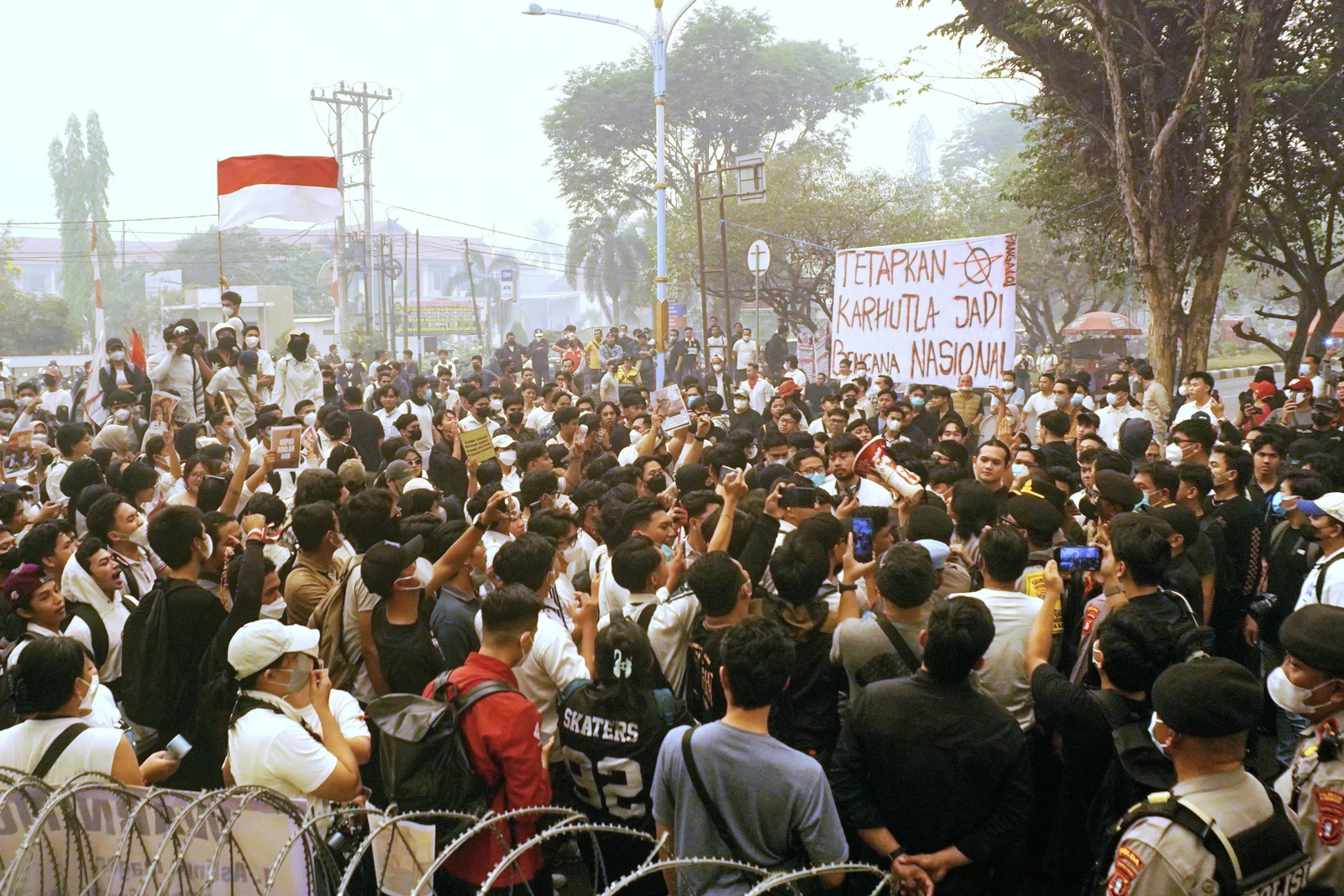
Indonesia stands at the forefront of the global climate conversation. Home to the world’s third-largest tropical rainforest and vast marine ecosystems, the country plays an essential role in global carbon sequestration and biodiversity preservation. In 2026, news regarding Indonesian environmental policies, forest management, and energy transition projects carries massive implications for global climate targets.
The nation’s transition away from heavy reliance on coal toward scalable solar, geothermal, and hydroelectric power serves as a critical test case for emerging economies worldwide. Furthermore, international carbon markets rely heavily on regulations and conservation milestones established in Jakarta. Following updates from the region helps climate scientists, policy makers, and ESG investors monitor real-world progress toward international environmental standards and carbon reduction commitments.
Nusantara and Urban Innovation
One of the most ambitious engineering and urban planning projects of the century—the development of Nusantara as the new capital city—reaches defining milestones in 2026. Designed as a smart, green, and sustainable forest city, Nusantara represents a bold attempt to rethink modern urbanization, government administration, and environmental harmony.
The ongoing construction, administrative transition, and technology deployment in Nusantara provide invaluable lessons for civil engineers, city planners, and green tech providers globally. Coverage of this massive initiative reveals how advanced smart-city technology integrates with tropical architecture and sustainable infrastructure. Observing how Indonesia overcomes administrative and logistics challenges offers a practical playbook for future megaprojects across the globe.
A Vibrant Digital Economy and Cultural Influence
Indonesia’s digital landscape is one of the fastest-growing in the world. With an exceptionally young and tech-savvy population, the country has become a hotbed for digital innovation, fintech solutions, e-commerce platforms, and creative industries. Trends that start among Indonesian digital consumers often ripple across neighboring Southeast Asian nations.
Understanding how digital platforms, community forums, and services like mg108 integrate into everyday life offers clear visibility into how technology adapts to diverse, fast-evolving markets. From social commerce innovations to local startup funding, Indonesian digital news provides a clear window into modern consumer behavior and technological adoption in dynamic emerging markets.
Why Staying Informed Matters Today
As global interconnectivity reaches unprecedented levels, events in Indonesia directly influence global markets, environmental strategies, and diplomatic alignments. Ignoring news from this dynamic archipelago means missing key indicators that shape international commerce and policy.
Following news from Indonesia in 2026 provides clarity in an increasingly complex world. Whether you are an analyst following commodity trends, a technology leader searching for dynamic markets, or an environmental advocate tracking conservation, the developments taking place in Indonesia offer crucial insights for the future. Staying informed about Indonesia is essential for understanding where the global economy, modern technology, and international diplomacy are headed next.