
In a fast-paced metropolis where modern demands often take a toll on physical and mental well-being, individuals are increasingly turning to time-tested, natural avenues for sustainable health. Traditional Chinese Medicine has evolved from an ancient medical practice into a vital component of contemporary urban lifestyle management. By addressing the body as an interconnected ecosystem, modern singapore tcm practices offer a personalized, root-cause approach to preventive healthcare, stress relief, and overall vitality.
The Philosophy of Balance in Modern Living
At the core of traditional practices lies the concept of balance—specifically the harmony between Yin and Yang, as well as the smooth flow of vital energy, known as Qi, throughout the body’s meridian networks. When lifestyle factors such as prolonged office hours, poor dietary habits, inadequate rest, and chronic mental stress disrupt this flow, internal disharmony manifests as physical ailments.
Unlike conventional approaches that frequently focus solely on suppressing symptoms, traditional care identifies underlying constitutional imbalances. Practitioners evaluate every individual through four primary diagnostic methods: observation, listening and smelling, inquiry, and pulse palpation. Through these comprehensive assessments, a tailored treatment framework is crafted to restore internal harmony and strengthen natural immunity.
Core Modalities in Everyday TCM Practice
To address common modern health issues, certified physicians employ a variety of non-invasive and minimally invasive techniques aimed at restoring equilibrium.
Acupuncture for Pain and Stress Management
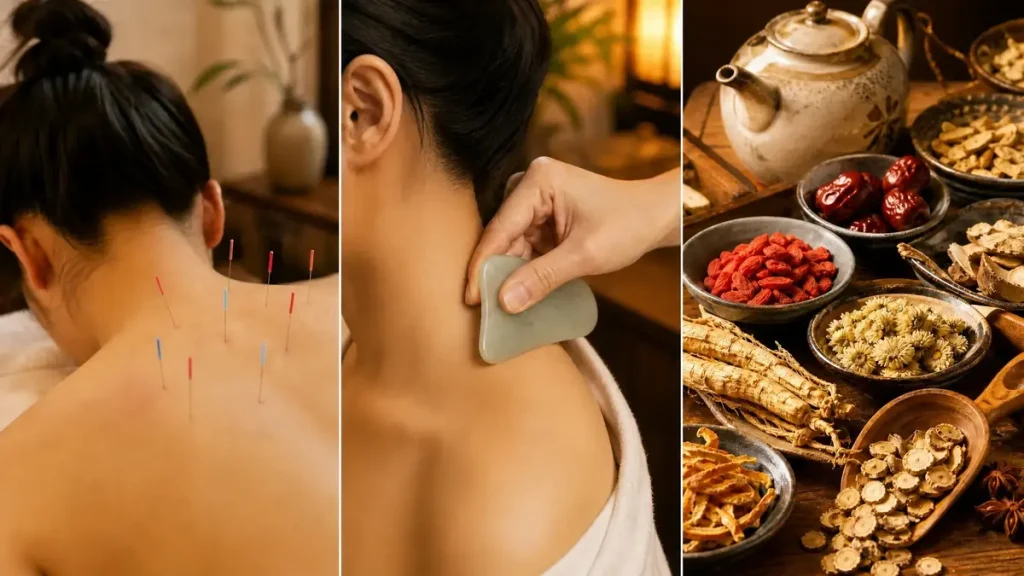
Acupuncture is one of the most widely recognized modalities. By inserting ultra-fine, sterile needles into specific acupoints along meridian pathways, acupuncture stimulates the nervous system, releases endorphins, and promotes natural circulation. It is highly effective for alleviating neck and back strain, tension headaches, insomnia, and anxiety triggered by high-pressure environments.
Herbal Prescriptions for Internal Nourishment
Customized herbal formulas serve as an internal pillar of therapy. Consisting of natural plant roots, leaves, flowers, and minerals, these preparations are tailored to nourish specific organ systems, clear internal heat, or resolve dampness. Modern clinics often provide these herbs in convenient powder, capsule, or liquid extract forms, seamlessly fitting into busy daily routines.
Cupping and Gua Sha for Detoxification and Circulation
Cupping therapy utilizes localized suction to draw blood flow to tense muscles, release fascia, and eliminate trapped toxins. Similarly, Gua Sha involves gentle scraping of the skin using specialized smooth-edged tools to stimulate microcirculation and promote tissue repair. Both techniques are ideal for relieving chronic muscle tightness and lethargy.
Tui Na (Therapeutic Massage)
Tui Na combines acupressure techniques with manual body manipulation to align bones, muscles, and tendons. It is commonly used to treat sports injuries, postural issues, and joint stiffness while encouraging the smooth movement of blood and energy.
Addressing Everyday Urban Health Concerns
The integration of traditional remedies into modern wellness programs targets several widespread conditions caused by urban lifestyle stressors:
| Health Concern | Common Symptoms | Primary TCM Modalities Used |
| Chronic Fatigue & Burnout | Constant tiredness, brain fog, poor focus | Acupuncture, Nourishing Herbal Formulas |
| Digestive Issues | Bloating, acid reflux, sluggish bowel movement | Herbal Decoctions, Acupressure, Dietary Guidance |
| Sleep Disturbances | Insomnia, light sleep, frequent night waking | Calmative Acupuncture, Herbal Teas |
| Musculoskeletal Strain | Stiff shoulders, lower back pain, repetitive strain | Cupping, Tui Na Massage, Infra-red Therapy |
| Hormonal Imbalances | Irregular cycles, PMS, skin breakouts | Targeted Herbal Therapy, Cycle Acupuncture |
The Rise of Integrative Wellness Culture
Singapore’s healthcare landscape uniquely bridges eastern and western medical methodologies. Rather than viewing traditional therapies as an alternative that replaces conventional medicine, modern patients utilize these techniques as complementary care. Registered physicians often collaborate with allied health professionals to provide well-rounded health solutions, ensuring patient safety and treatment efficacy.
Furthermore, regulatory oversight by statutory boards ensures that practitioners undergo rigorous academic training and adhere to strict professional standards. This professionalization has fostered immense trust, encouraging individuals of all ages and backgrounds to explore holistic pathways to health.
Practical Tips for Incorporating Preventive Care
Achieving optimal well-being extends beyond clinic visits; it requires mindful adjustments in day-to-day living.
Embrace Thermal Balance in Diet
In Eastern dietary therapy, foods carry specific thermal properties—cooling, warm, or neutral. Consuming excessive cold drinks or raw salads can weaken digestive fire, leading to bloating and fatigue. Incorporating warm, cooked meals along with digestive spices like ginger or cinnamon helps maintain digestive vitality.
Align Routines with Circadian Rhythm
Restful sleep between 11:00 PM and 3:00 AM is considered essential for liver and gallbladder regulation, processes responsible for detoxifying the body and restoring mental clarity. Setting aside screen-free time before bed helps calm the mind and improves sleep quality.
Consult Qualified Practitioners
Before starting any herbal regimen or treatment plan, consult registered, licensed practitioners. An accurate assessment ensures that remedies are precisely matched to your unique body constitution.
Conclusion
Embracing traditional therapeutic approaches offers a grounding balance to the fast-paced nature of modern life. By prioritizing preventive health, root-cause healing, and constitutional balance, individuals can cultivate long-term vitality, resilience, and daily mental clarity. Whether seeking relief from physical discomfort, managing stress, or enhancing daily energy, traditional therapies provide a gentle yet potent path toward lasting wellness.