
Table of Contents
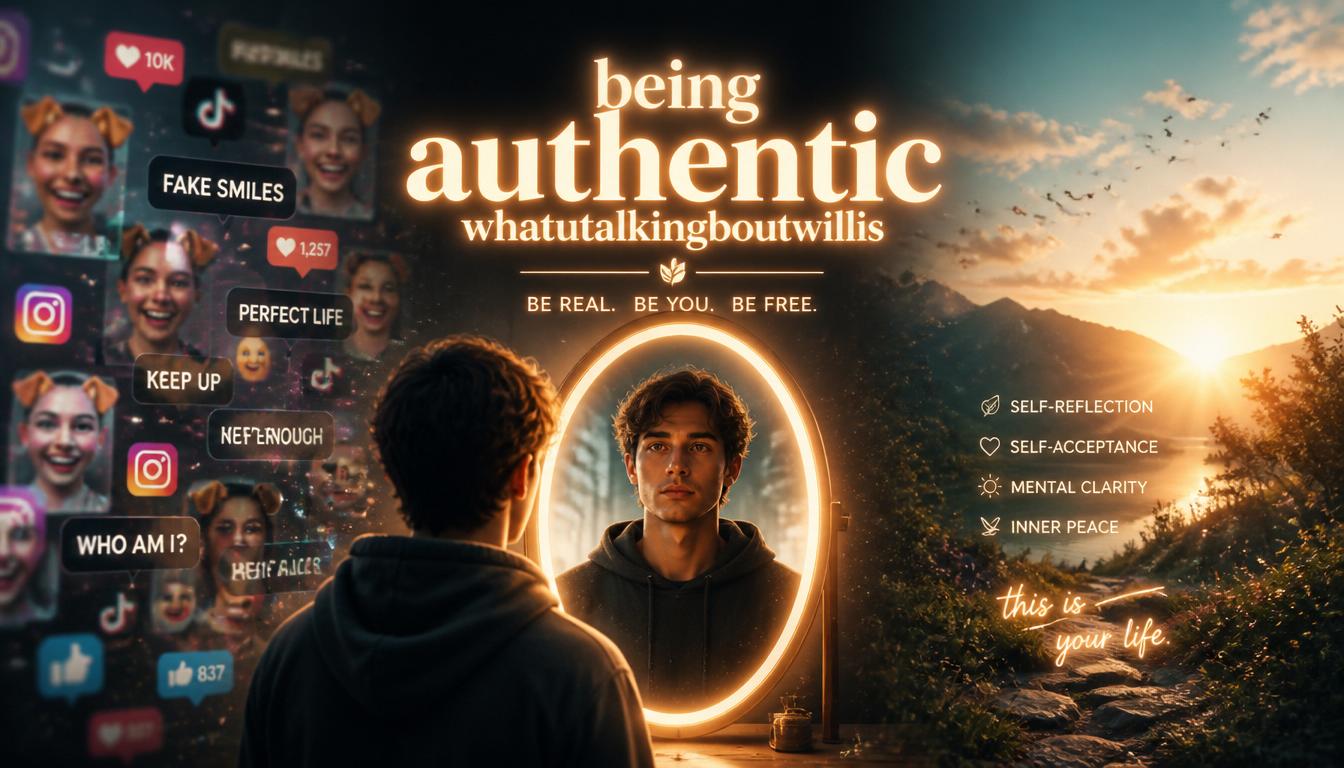
In today’s world, people spend a lot of time online. Social media platforms are full of perfect photos, exciting stories, and carefully planned posts. Because of this, many people feel pressure to look better, act differently, or hide who they really are. It can sometimes seem easier to follow trends than to be yourself.
This is why the idea of being authentic whatutalkingboutwillis has become important. The phrase reminds people that honesty and real identity still matter. Instead of trying to impress everyone, it encourages people to live according to their true values and beliefs.
Being authentic does not mean being perfect. It means being honest about your strengths, weaknesses, feelings, and goals. When people stop pretending and start being themselves, they often feel happier and more confident. They also build stronger relationships with others because trust grows naturally when honesty is present.
In this guide, we will explore what authenticity means, why it matters, how it affects different areas of life, and practical ways to become more authentic every day.
Understanding the True Meaning of Being Authentic Whatutalkingboutwillis
Authenticity means living in a way that matches your values and beliefs. It means your actions, words, and decisions reflect who you truly are. An authentic person does not change their personality just to gain approval from others. Instead, they remain honest while still treating people with kindness and respect.
The phrase being authentic whatutalkingboutwillis encourages people to think carefully about whether they are living honestly or simply following expectations. Many people wear different masks depending on where they are. They may act one way at work, another way online, and a different way around friends. While adapting to situations is normal, losing your true identity can create confusion and stress.
Experts who study human behavior often explain that authenticity starts with self-awareness. Before you can be genuine, you must understand your own values, goals, and beliefs. This means taking time to reflect on what matters most to you. When you know yourself better, making decisions becomes easier because you have a clear direction.
A simple example is a student who enjoys art but feels pressure to focus only on activities that others consider popular. If that student continues to ignore their passion, they may feel unhappy. However, when they choose to follow their interests honestly, they often experience greater satisfaction and confidence. Authenticity allows people to live according to their true identity rather than someone else’s expectations.
Why Authenticity Feels Rare in Modern Society
Many people believe authenticity is becoming harder to find. One major reason is the influence of social media. Every day, users see images of perfect vacations, successful careers, and happy moments. While these posts may be real, they often show only a small part of someone’s life.
As people compare themselves to these carefully selected moments, they may begin to feel inadequate. They might think they need to appear more successful, attractive, or interesting. Over time, this pressure can lead individuals to create a version of themselves that is not completely genuine.
Another challenge comes from social expectations. Families, schools, workplaces, and communities often have ideas about how people should behave. These expectations are not always harmful, but they can sometimes make individuals feel they must hide parts of their personality to fit in. This can create a gap between who they truly are and who they pretend to be.
Fear also plays a major role. Many people worry about rejection, criticism, or judgment. Therefore, they avoid sharing their real thoughts and feelings. However, constantly pretending can become exhausting. Living authentically requires courage because it means accepting that not everyone will agree with you.
Despite these challenges, authenticity remains valuable. People naturally appreciate honesty because it creates trust. In a world filled with filters and edited images, genuine behavior stands out. This is one reason why authentic people often leave a lasting positive impression on others.
The Psychological Benefits of Living as Your True Self
Living authentically can improve emotional well-being in many ways. When people pretend to be someone they are not, they often experience stress. Keeping up a false image requires constant effort and can make everyday situations feel difficult.
One important benefit of authenticity is reduced anxiety. When your actions match your values, there is less internal conflict. You do not need to remember different versions of yourself for different situations. This creates a sense of peace and stability that many people find comforting.
Authenticity also supports self-confidence. Confidence grows when people accept themselves fully, including their strengths and weaknesses. Instead of seeking approval from everyone around them, authentic individuals learn to trust their own judgment. This does not mean they ignore feedback, but they do not depend entirely on outside opinions.
An expert-style insight from psychologists is that people often experience greater life satisfaction when their behavior aligns with their personal values. This alignment creates a feeling of purpose and direction. Individuals feel more connected to their goals because their choices reflect what truly matters to them.
A real-life example can be seen in someone choosing a career they genuinely enjoy rather than one selected only to impress others. While the authentic path may sometimes be more challenging, it often leads to greater happiness in the long run. Living truthfully allows people to build a life that feels meaningful and rewarding.
How Authenticity Creates Stronger Relationships
Trust is one of the most important parts of any relationship. Whether it is a friendship, family connection, or romantic partnership, trust grows when people are honest with one another. Authenticity helps build that trust because it removes confusion and uncertainty.
When people hide their true feelings, misunderstandings often develop. For example, someone may agree to plans they do not actually enjoy because they want to avoid disappointing others. Over time, this behavior can create frustration and resentment. Honest communication helps prevent these problems before they grow.
Authentic people are usually easier to connect with because others know where they stand. They express their thoughts respectfully and communicate their needs clearly. This openness creates stronger emotional bonds and encourages mutual respect.
Relationships also become healthier when people feel accepted for who they truly are. Imagine a friendship where both individuals feel comfortable sharing their real opinions without fear of judgment. Such relationships tend to be more stable and meaningful because they are built on honesty rather than performance.
Being genuine does not mean saying everything that comes to mind. It means communicating truthfully while considering the feelings of others. Authenticity and kindness work best together. When combined, they create relationships based on trust, understanding, and long-term connection.
Authenticity in the Digital Age and Social Media
Technology has changed the way people communicate. Today, much of life happens online. Social media platforms allow users to share experiences, opinions, and achievements with large audiences. While this creates opportunities for connection, it also creates challenges for authenticity.
Many people feel pressure to present only the best parts of their lives. They may avoid sharing struggles, mistakes, or ordinary moments. As a result, online profiles sometimes look very different from reality. This can make it difficult for others to know what is genuine.
The idea of being authentic whatutalkingboutwillis is especially relevant in digital spaces. Audiences are becoming more aware of artificial content. People increasingly value creators, businesses, and public figures who communicate honestly and openly. Authentic voices often build stronger trust over time because their message feels real.
A good example is a content creator who admits mistakes and shares lessons learned rather than pretending everything is perfect. Followers often appreciate this honesty because it feels relatable. Real experiences help people connect on a deeper level.
However, authenticity online does not require sharing every detail of your life. Healthy boundaries remain important. Genuine communication means being honest while protecting your privacy when necessary. The goal is not complete exposure but honest representation of who you are.
Common Obstacles That Prevent People From Being Authentic
Although many people want to live honestly, several obstacles can make authenticity difficult. One common barrier is fear of rejection. Humans naturally want acceptance and belonging. Because of this, people may hide their true opinions or interests when they worry about criticism.
Perfectionism is another major challenge. Some individuals believe they must always appear successful, confident, or capable. This mindset often prevents genuine self-expression because mistakes are viewed as weaknesses rather than opportunities for growth.
Comparison can also lead people away from authenticity. When individuals constantly measure themselves against others, they may begin copying behaviors, opinions, or lifestyles that do not match their true identity. Instead of focusing on personal growth, they become focused on meeting outside expectations.
A lack of self-awareness creates additional difficulties. Some people simply have not spent enough time reflecting on their values and goals. Without understanding who they are, it becomes harder to live authentically. Therefore, self-discovery is an important part of personal development.
Fortunately, these challenges can be overcome. By practicing self-reflection, accepting imperfections, and building confidence, people can gradually become more comfortable expressing their true selves. Authenticity is not achieved overnight. It develops through consistent effort and honest self-examination.
Practical Steps to Build Authenticity Every Day
Know Your Values First
One of the most effective ways to become authentic is understanding your core values. Values act like a compass that guides decisions and behavior. When you know what matters most, it becomes easier to stay true to yourself.
Consider questions such as:
- What principles are important to me?
- What kind of person do I want to become?
- Which activities make me feel fulfilled?
Answering these questions helps create a stronger sense of identity. Außerdem, clear values make decision-making less stressful because you have a foundation to guide your choices.
Practice Honest Communication
Honest communication does not require harsh language or conflict. It simply means expressing thoughts and feelings clearly and respectfully. Small acts of honesty build confidence over time.
Helpful habits include:
- Speaking truthfully
- Admitting mistakes
- Asking questions when confused
- Sharing opinions respectfully
Jedoch, honesty should always be balanced with kindness. Authentic communication focuses on clarity rather than criticism.
Stop Living for Approval
Many people spend too much energy trying to please everyone. Unfortunately, this goal is impossible because different people have different expectations.
To become more authentic:
- Accept that not everyone will agree with you
- Focus on personal growth
- Celebrate your unique strengths
- Learn from criticism without letting it define you
Daher, self-respect becomes more important than constant approval from others.
Long-Term Benefits of Being Authentic Whatutalkingboutwillis
Personal Growth and Confidence
Over time, authenticity creates lasting confidence. People no longer feel trapped by unrealistic expectations because they learn to appreciate their true identity. Confidence built on honesty tends to be stronger than confidence based on appearances.
Long-term benefits include:
- Better self-esteem
- Greater emotional stability
- Clearer decision-making
- Stronger sense of purpose
Schließlich, authentic people often feel more comfortable with themselves because they are not constantly pretending.
Better Opportunities and Leadership
Authenticity also has professional advantages. Employers, coworkers, customers, and communities value people who act with integrity. Honest communication builds credibility, which is essential for long-term success.
Leaders who practice authenticity often:
- Admit mistakes
- Listen to feedback
- Communicate openly
- Build trust within teams
Real-life examples show that trusted leaders usually earn respect through honesty rather than perfection. People follow individuals they believe are genuine.
Creating a Meaningful Life
The greatest reward of authenticity may be personal fulfillment. Living according to your values creates a life that feels meaningful and satisfying. Instead of chasing approval, you focus on goals that truly matter.
Benefits of authentic living include:
- Healthier relationships
- Reduced stress
- Greater happiness
- Stronger personal identity
When people embrace authenticity, they often discover that success feels more rewarding because it reflects who they truly are.
Conclusion
Authenticity is not about being perfect or sharing every detail of your life. It is about making sure your actions, values, and words work together. When people stop pretending and start living honestly, they often feel more confident, peaceful, and connected to others.
The message behind being authentic whatutalkingboutwillis is simple but powerful. In a world full of pressure, trends, and comparison, being yourself remains one of the most valuable choices you can make. Small steps taken every day can help you build a life based on honesty, trust, and true happiness.
FAQs
Q: What does being authentic mean?
A: It means being honest about who you are and living according to your values.
Q: Why is authenticity important?
A: Authenticity builds trust, improves confidence, and creates stronger relationships.
Q: Can authentic people still be professional?
A: Yes. Authenticity means being genuine while remaining respectful and professional.
Q: Does authenticity mean sharing everything?
A: No. Authentic people maintain healthy boundaries and choose what to share wisely.
Q: How can I become more authentic?
A: Learn your values, communicate honestly, accept imperfections, and stop seeking constant approval.
Q: Can authenticity improve mental health?
A: Yes. Living honestly can reduce stress, improve self-esteem, and create a stronger sense of purpose.